
Iran–US–Israel Tensions: Are We Moving Toward a Wider Middle East War?
Over the past few months, global search trends and breaking headlines have increasingly focused on rising geopolitical tension between Iran, United States, and Israel. Questions such as “Are we at war with Iran?”, “Did the US attack Iran?”, and “Is World War 3 coming?” are trending across platforms in the UK and US, driven by continuous updates from major networks like CNN, BBC News, Fox News, Al Jazeera English, and The New York Times.
This surge in attention reflects a complex and evolving conflict environment involving military strategy, regional alliances, cyber operations, and political rhetoric.
Who Leads Iran and Why It Matters
At the center of Iran’s political structure is Ali Khamenei, the country’s Supreme Leader since 1989. Unlike many Western political systems, Iran’s Supreme Leader holds ultimate authority over military policy, nuclear strategy, and foreign relations.
Khamenei succeeded Ruhollah Khomeini, the architect of the 1979 Iranian Revolution. Today, speculation about Khamenei’s health and leadership succession frequently trends online, especially regarding his potential successor, including his son Mojtaba Khamenei.
Iran’s military power is heavily influenced by the Islamic Revolutionary Guard Corps (IRGC), which plays a central role in regional operations and proxy conflicts.
Why Are US–Iran Tensions Rising Again?
US–Iran relations have remained volatile for decades, but tensions escalated significantly during the presidency of Donald Trump. His administration withdrew from the Iran nuclear agreement and authorized the 2020 strike that killed IRGC General Qassem Soleimani—an event that reshaped Middle East military dynamics.
Recent reports of missile exchanges, cyber activity, and proxy conflicts have revived global concern. Many trending searches now focus on whether the US has launched new strikes or whether Iran is planning retaliation.
Although no formal declaration of war exists, military analysts note that the region is currently experiencing what is often called a “shadow war”—a mix of covert operations, targeted strikes, and strategic deterrence.
Israel’s Role in the Escalation
Israel’s security concerns regarding Iran’s nuclear program and regional influence remain a major factor. Israeli Prime Minister Benjamin Netanyahu has repeatedly stated that Israel will take direct action if necessary to prevent Iran from acquiring nuclear weapons.
Cities such as Tel Aviv frequently appear in breaking news scenarios involving missile defense alerts or military drills.
Israeli intelligence operations and airstrikes targeting Iranian-linked forces in Syria have intensified speculation about a broader regional war.
Global Powers and the Risk of World War 3
Another reason these topics are trending is the involvement—or potential involvement—of other global powers. Russia, led by Vladimir Putin, maintains strategic ties with Iran, particularly in defense and energy cooperation.
Geopolitical analysts warn that if direct conflict expands between Iran, Israel, and the United States, it could draw in additional alliances, increasing fears of a large-scale international conflict.
However, experts emphasize that World War 3 scenarios remain speculative, and diplomatic channels are still active.
Why Searches About “Iran Attacking Dubai” and Gulf States Are Rising
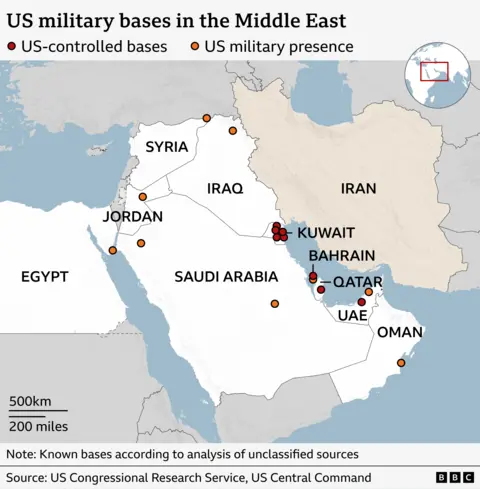
Recent spikes in search traffic also involve Gulf countries, especially concerns about potential attacks on oil infrastructure or major financial hubs. While no confirmed large-scale Iranian attack on Dubai has occurred, the strategic importance of the Persian Gulf makes it a frequent subject of misinformation and viral speculation.
Energy markets are particularly sensitive to developments in the region, which is why terms like oil prices, global markets, and defense stocks often trend alongside war-related news—high-value advertising sectors that drive high CPM rates.
Social Media, Viral News, and Misinformation
Platforms like Facebook and X (Twitter) have amplified real-time conflict speculation. Viral posts often combine breaking alerts, dramatic visuals, and incomplete information, leading to confusion about what events are confirmed versus rumored.
This explains why search queries such as:
- “Is the US at war with Iran?”
- “Is Iran’s Supreme Leader dead?”
- “Did the US bomb Iran today?”
continue to trend globally.
For readers in the UK and US, relying on verified sources such as major international news organizations remains critical.
The Current Reality: Tension, Not Official War
Despite escalating rhetoric and regional military activity, there is no official declaration of war between the United States and Iran as of now. Most developments fall into the category of strategic deterrence and regional proxy engagement.
However, the situation remains fluid. Diplomatic negotiations, intelligence operations, and regional alliances will likely determine whether tensions cool—or escalate further.
The Middle East remains one of the most strategically sensitive regions in global politics. With ongoing developments involving Iran, Israel, and the United States, trending searches and breaking news coverage are expected to continue. For audiences in the UK and US, staying informed through credible sources—and avoiding viral misinformation—is more important than ever.



0 Comments