
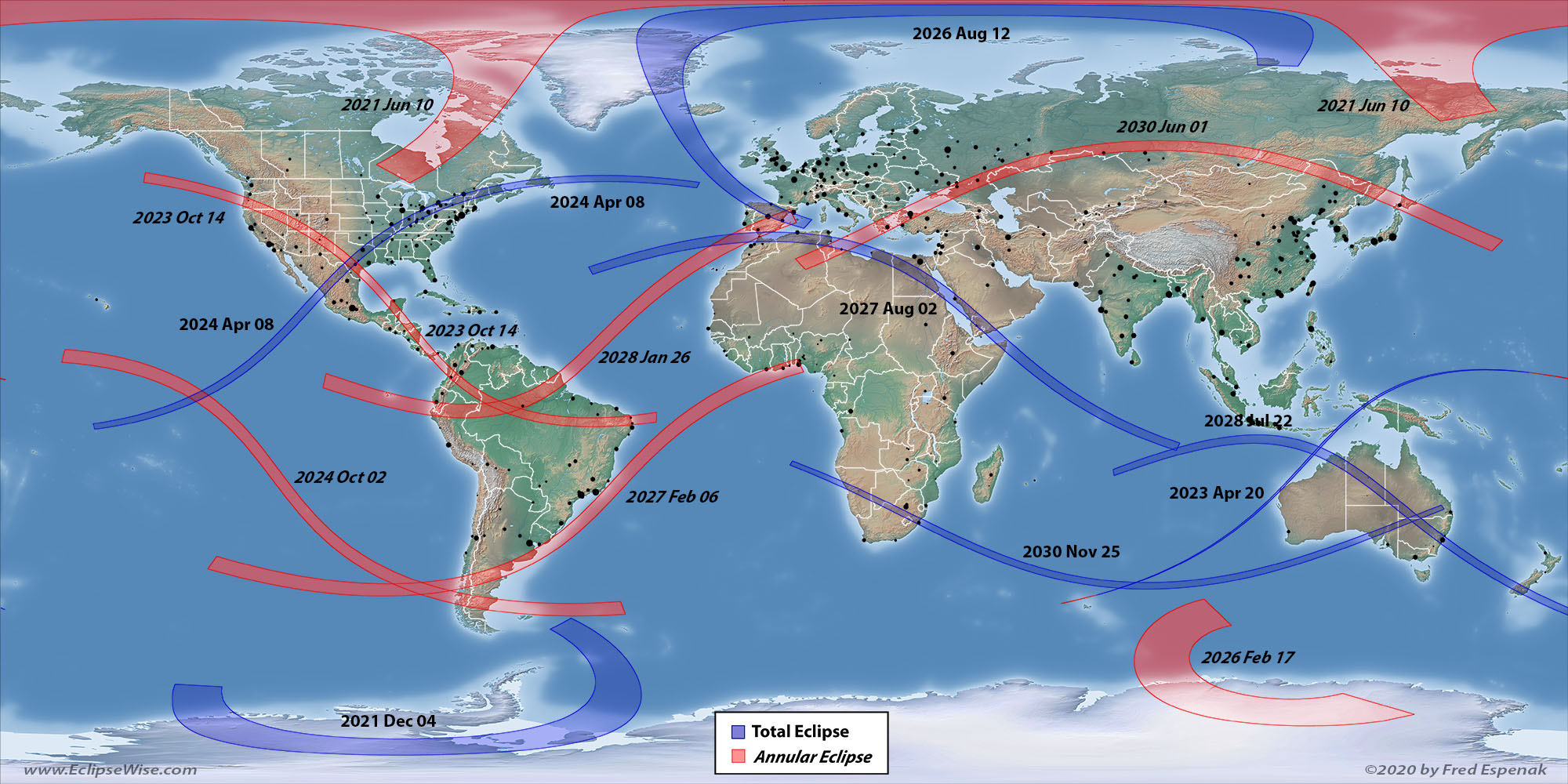
Solar Eclipse 2026: Date, Visibility Map, and How to Watch the Rare Sky Event
Meta Description: Discover everything about the 2026 solar eclipse, including exact dates, global visibility, eclipse types, safety tips, and how to watch this rare astronomical event.
Major Solar Eclipse Events Coming in 2026
Skywatchers and astronomy enthusiasts are preparing for one of the most exciting celestial events of the decade. The year 2026 will feature a spectacular solar eclipse that is expected to attract global attention from scientists, photographers, and millions of viewers worldwide.
Astronomers confirm that multiple eclipse events occur annually, but 2026 will bring a particularly remarkable eclipse visible across large parts of the world.
When Will the Solar Eclipse Happen in 2026?
The most significant solar eclipse in 2026 is expected to occur on:
August 12, 2026
This event will be a major solar eclipse, with certain regions witnessing near-total or partial eclipse visibility.
Some regions will experience dramatic darkening of the sky during daytime as the moon passes directly between Earth and the sun.
Where Will the 2026 Solar Eclipse Be Visible?
The eclipse is expected to be visible across several continents, including:
- Europe
- Parts of North America
- Northern Africa
- Western Asia
- Atlantic Ocean regions
Visibility levels will vary depending on geographic location, weather conditions, and local time zones.
Types of Solar Eclipses Explained
Solar eclipses occur when the moon blocks sunlight reaching Earth. There are three main types:
Total Solar Eclipse
The moon completely covers the sun, revealing the sun’s outer atmosphere (corona). Daytime briefly turns into twilight.
Annular Solar Eclipse
The moon covers the center of the sun but leaves a bright outer ring often called the "Ring of Fire."
Partial Solar Eclipse
Only a portion of the sun is covered by the moon.
The 2026 eclipse will include regions experiencing varying eclipse intensity.
Why Solar Eclipses Happen
Solar eclipses occur due to precise alignment between the sun, moon, and Earth. Although the moon is much smaller than the sun, it appears similar in size from Earth, allowing it to block sunlight when perfectly aligned.
These alignments do not happen monthly because the moon’s orbit is slightly tilted compared to Earth’s orbit around the sun.
How to Safely Watch the Solar Eclipse
Viewing a solar eclipse without proper protection can cause permanent eye damage. Experts recommend:
✅ Using certified eclipse viewing glasses
✅ Using solar filters on telescopes or cameras
✅ Watching live broadcasts or projections
❌ Never looking directly at the sun without protection
Why the 2026 Eclipse Is Generating Global Buzz
Astronomers say this eclipse offers rare viewing opportunities across densely populated regions, increasing public excitement. Tourism industries often experience travel surges during major eclipses as people travel to prime viewing locations.
The event is also expected to boost interest in space science, astronomy education, and astrophotography.
Solar Eclipse 2026 Date and Time
The next major solar eclipse in 2026 will occur on August 12, 2026, and will be visible across Europe, parts of North America, Africa, and Asia.
Eclipse 2026 Visibility Map
Different regions will experience total, partial, or near-total eclipse phases. Astronomers recommend checking regional sky visibility forecasts closer to the event date.
How Often Do Solar Eclipses Occur?
Solar eclipses occur between two and five times annually worldwide. However, total solar eclipses visible from specific regions are extremely rare.
Best Places to Watch Solar Eclipse 2026
- Northern Spain
- Iceland
- Greenland
- Parts of Portugal
- North Atlantic regions
These locations are expected to offer some of the best viewing opportunities.
Rare Solar Eclipse Set to Darken Skies in 2026
A dramatic solar eclipse scheduled for August 2026 is already generating excitement among astronomers and travelers worldwide. Scientists say the event will allow millions of people to witness one of nature’s most breathtaking astronomical spectacles.
During the eclipse, the moon will pass between Earth and the sun, temporarily blocking sunlight and creating a stunning sky transformation. Experts advise viewers to prepare protective viewing equipment and monitor local weather conditions for the best experience.
The 2026 eclipse is expected to draw global tourism and educational attention, with observatories and science institutions preparing public viewing programs.
Fun Solar Eclipse Facts
- Solar eclipses have fascinated civilizations for thousands of years
- Total solar eclipses occur somewhere on Earth roughly every 18 months
- The sun’s corona is only visible during total eclipses
Solar Eclipse 2026 Timetable by Country (Complete Viewing Guide)
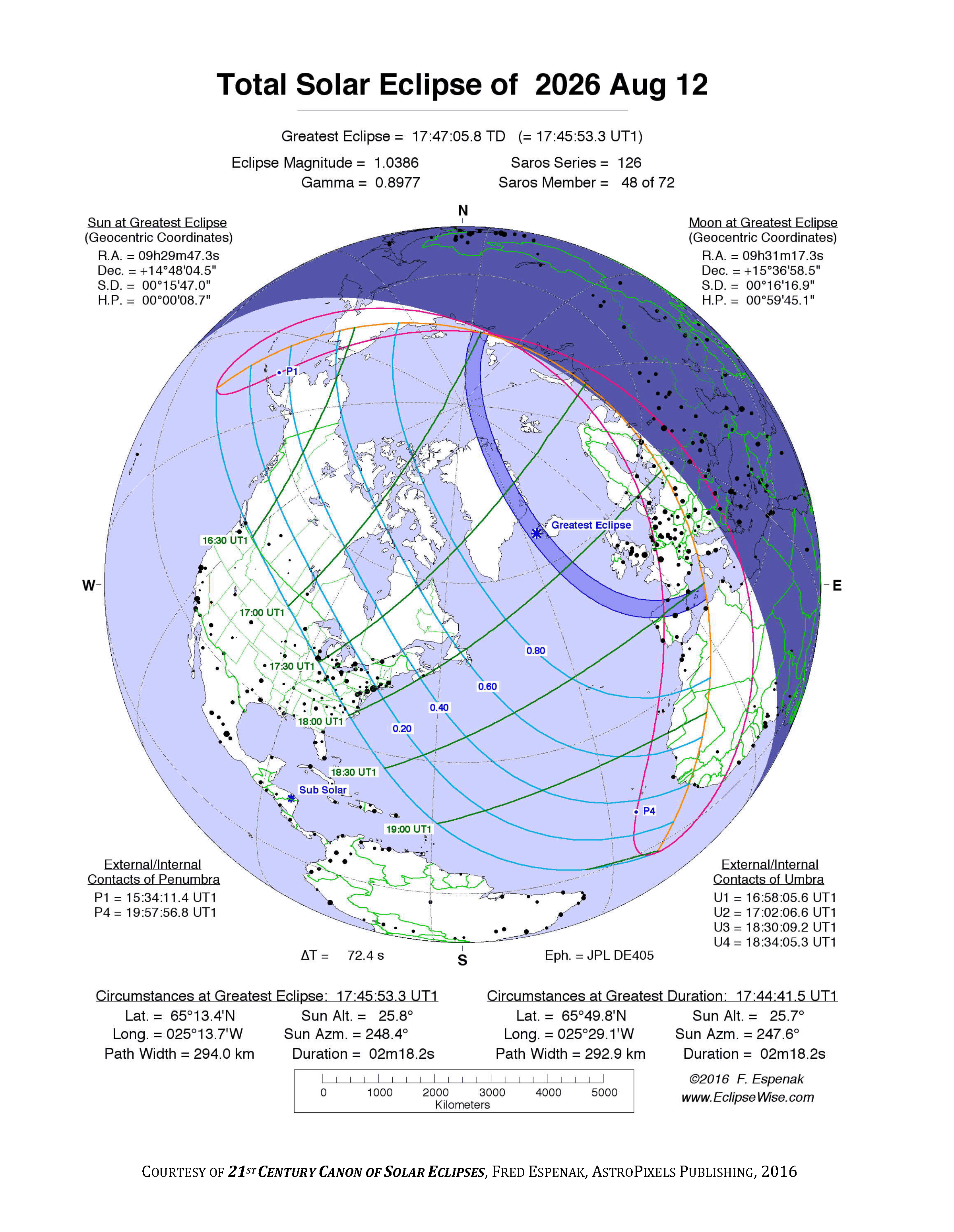
The August 12, 2026 Solar Eclipse will be one of the most spectacular astronomical events of the decade. This eclipse will be total in several regions, while other parts of the world will experience a partial eclipse. Below is a detailed timetable organized by country and region to help viewers plan ahead.
Discover the complete Solar Eclipse 2026 timetable by country. Check exact viewing times, best locations, safety tips, and global visibility details for the August 12, 2026 total solar eclipse.
Solar Eclipse 2026 Global Overview
- Date: August 12, 2026
- Type: Total Solar Eclipse
- Best Viewing Regions: Greenland, Iceland, Spain, Portugal, and parts of Europe
- Partial Viewing Regions: Africa, Asia, North America, and parts of the Middle East
Solar Eclipse 2026 Timetable by Country
(Times are approximate and may vary slightly by location.)
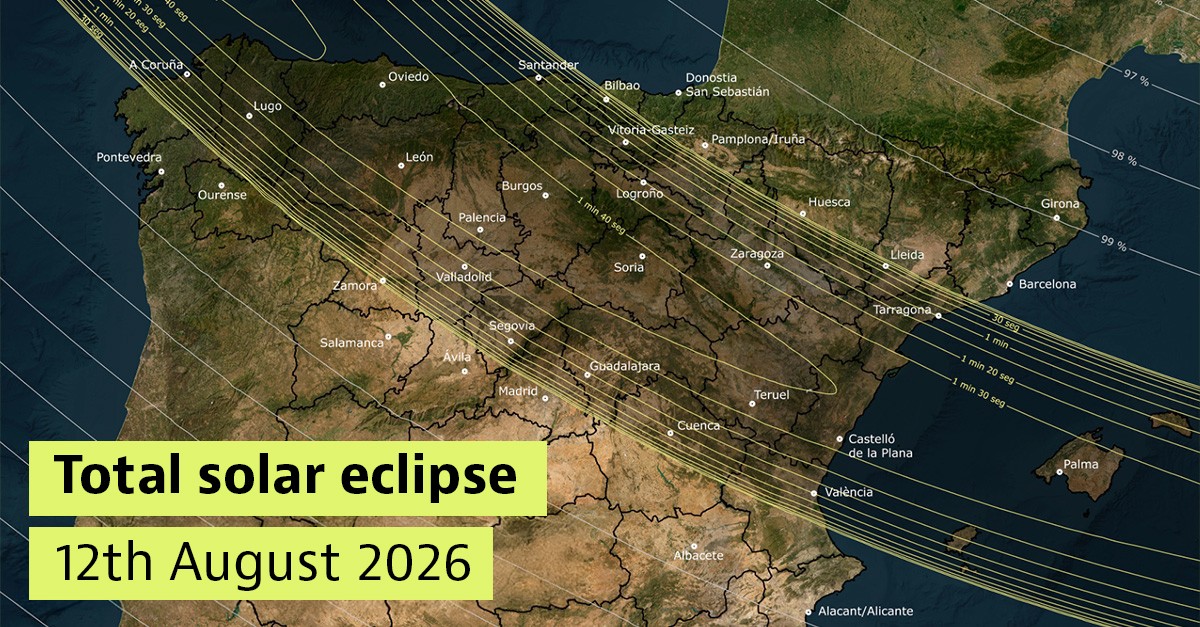
ES Spain (Best Viewing Location – Total Eclipse)
| City | Eclipse Start | Total Eclipse | Eclipse Ends |
|---|---|---|---|
| Madrid | 18:45 | 19:40 | 20:30 |
| Barcelona | 18:55 | 19:42 | 20:32 |
| Valencia | 18:50 | 19:41 | 20:31 |
Spain will be one of the most popular tourist destinations for eclipse watchers due to ideal weather conditions.
PT Portugal (Total Eclipse Visible)
| City | Eclipse Start | Total Eclipse | Eclipse Ends |
|---|---|---|---|
| Lisbon | 18:40 | 19:38 | 20:25 |
| Porto | 18:42 | 19:39 | 20:27 |
Portugal offers excellent sunset eclipse photography opportunities.
IS Iceland (Early Total Eclipse)
| City | Eclipse Start | Total Eclipse | Eclipse Ends |
|---|---|---|---|
| Reykjavik | 16:47 | 17:48 | 18:45 |
Iceland will experience the eclipse earlier in the day, offering a dramatic sky transformation.
GL Greenland (Longest Total Eclipse Duration)
| City | Eclipse Start | Total Eclipse | Eclipse Ends |
|---|---|---|---|
| Nuuk | 15:40 | 16:42 | 17:35 |
Greenland will witness one of the longest totality durations during this event.
Partial Solar Eclipse Regions
GB United Kingdom
| City | Start | Maximum | End |
|---|---|---|---|
| London | 17:20 | 18:15 | 19:05 |
| Manchester | 17:18 | 18:12 | 19:02 |
FR France
| City | Start | Maximum | End |
|---|---|---|---|
| Paris | 17:45 | 18:40 | 19:30 |
DE Germany
| City | Start | Maximum | End |
|---|---|---|---|
| Berlin | 17:55 | 18:50 | 19:35 |
IT Italy
| City | Start | Maximum | End |
|---|---|---|---|
| Rome | 18:00 | 18:55 | 19:40 |
US United States (Partial Eclipse Only)
| Region | Start | Maximum | End |
|---|---|---|---|
| East Coast | 12:30 PM | 1:45 PM | 3:00 PM |
| Midwest | 11:15 AM | 12:40 PM | 2:05 PM |
CACanada
| Region | Start | Maximum | End |
|---|---|---|---|
| Eastern Canada | 1:00 PM | 2:15 PM | 3:20 PM |
BD Bangladesh
| Region | Start | Maximum | End |
|---|---|---|---|
| Nationwide | Not Visible | — | — |
Unfortunately, the 2026 eclipse will not be visible from Bangladesh.
Partial Eclipse in Other Regions
Africa
- Morocco, Algeria, Tunisia – Partial visibility
- Western Africa – Limited visibility near sunset
Middle East
Egypt, Saudi Arabia, UAE – Partial eclipse expected
Asia
Most Asian countries will not see the eclipse clearly or may miss it entirely.
Safety Guidelines for Viewing Solar Eclipse
Never look directly at the sun without protection. Use:
- Certified eclipse glasses
- Solar filters for telescopes and cameras
- Pinhole projection method
Why the 2026 Solar Eclipse Is Special
- One of the last major total eclipses visible in parts of Europe for several years
- Occurs close to sunset in Spain and Portugal, creating dramatic visuals
- Expected to attract millions of tourists and astronomy enthusiasts worldwide
Upcoming Solar Eclipse After 2026
Another major solar eclipse will occur in 2027, mainly visible in North Africa and the Middle East.


0 Comments