
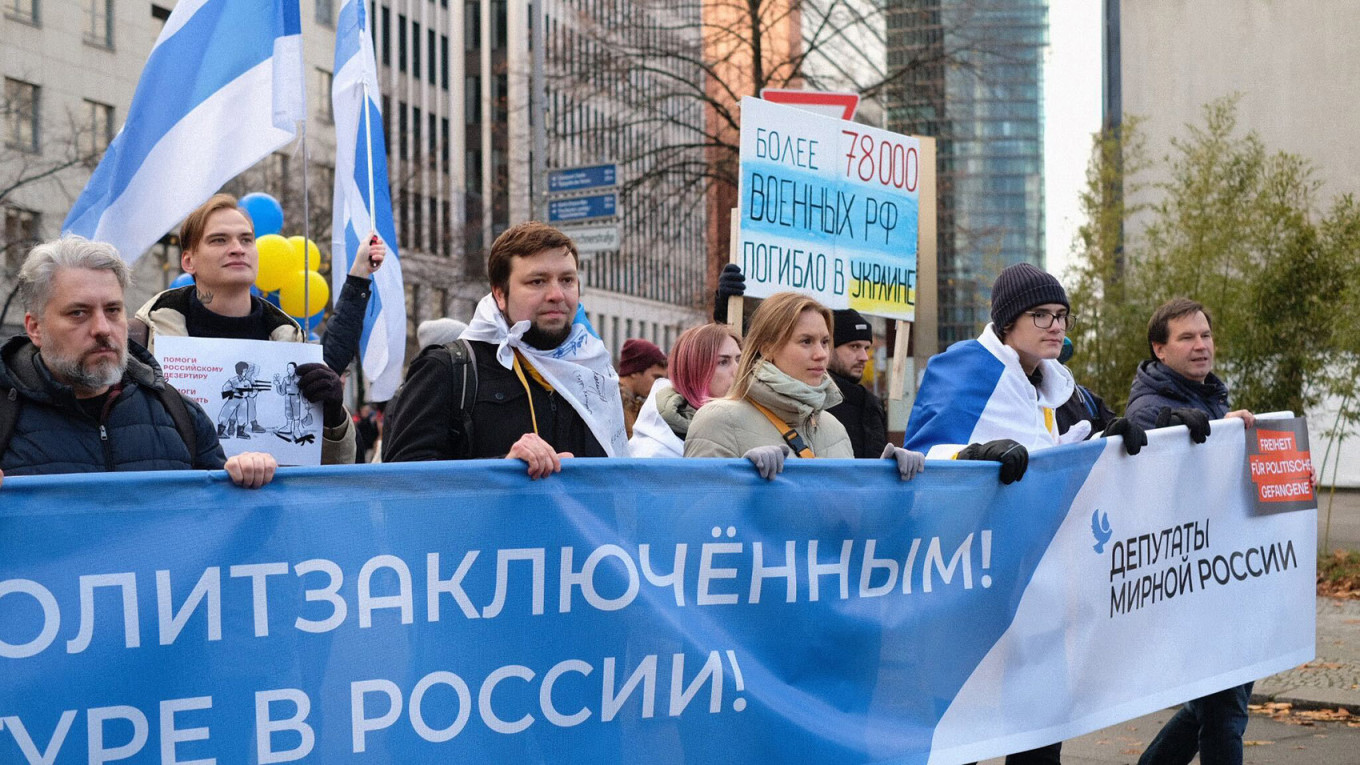
In a shocking development, Russian opposition leader Alexey Navalny has been hospitalized after what officials and independent investigators are calling a poisoning attack in Moscow. The incident has drawn widespread condemnation from global leaders and renewed scrutiny of Russia’s political climate, human rights record, and treatment of dissidents.
Details of the Poisoning Incident
According to reports from international news outlets, Navalny fell seriously ill on February 14, 2026, and was rushed to a hospital in Moscow. Preliminary toxicology tests conducted by independent labs suggest the involvement of a rare neurotoxin, consistent with previous attacks on high-profile critics of the Kremlin.
Medical personnel confirmed that Navalny remains in critical but stable condition. Authorities have restricted media access, prompting calls from human rights organizations for transparency regarding his medical status and the circumstances surrounding the attack.
International Response
Governments and international bodies have reacted strongly. European Union officials condemned the attack, calling it an “outrageous assault on political opposition” and demanding a full investigation. Human rights groups emphasized that this incident underscores the persistent dangers faced by Kremlin critics.
The BBC released a special audio segment analyzing the attack, highlighting patterns of previous poisonings targeting Russian dissidents, including Navalny’s 2020 near-fatal poisoning, and the broader implications for political freedom in Russia.
Navalny’s Political Role
Alexey Navalny, a leading anti-corruption activist, has been one of the most prominent critics of President Vladimir Putin’s administration. He has repeatedly exposed government corruption and mobilized large-scale protests despite facing imprisonment and previous assassination attempts. His work has made him a symbol of resistance for opposition movements in Russia and internationally.
CNN reports that this latest poisoning could escalate tensions between Russia and Western nations, particularly given Navalny’s high-profile status and the political implications of a targeted attack.
Patterns of Targeted Poisonings
Experts note a disturbing pattern in Russian politics, where opposition figures and investigative journalists have repeatedly faced suspicious poisonings and attacks. International observers point to a consistent use of chemical agents that are difficult to trace, highlighting both the sophistication and the high-risk nature of dissent in Russia.
Analysts warn that the attack on Navalny may have far-reaching consequences for domestic political dynamics, civil society, and Russia’s global reputation. The Kremlin has not issued a public statement as of this writing, fueling speculation and concern among foreign governments and human rights organizations.
Global Implications
The poisoning has sparked calls for stronger international measures to protect dissidents and ensure accountability. Observers are watching how Western governments, international human rights groups, and the United Nations will respond. The incident also raises concerns over the safety of other opposition figures and journalists within Russia.
Alexey Navalny’s poisoning marks a critical moment in Russia’s ongoing struggle between government authority and political opposition. The international community continues to monitor the situation closely, emphasizing the urgent need for transparency, justice, and protection for political dissidents.



0 Comments